
FAQ
Perlite, clay pebbles or coconut fiber?
Differences between perlite, clay pebbles, and coconut fiber for drainage, aeration, and water retention in pots and gardens.
In substrates, three amendments are mixed that do not serve the same purpose: perlite (air), clay pebbles (drainage), and coconut fiber (retention and structure).
Perlite
White volcanic particles. They prevent the pot from compacting. Ideal for seedling trays and indoor mixes.
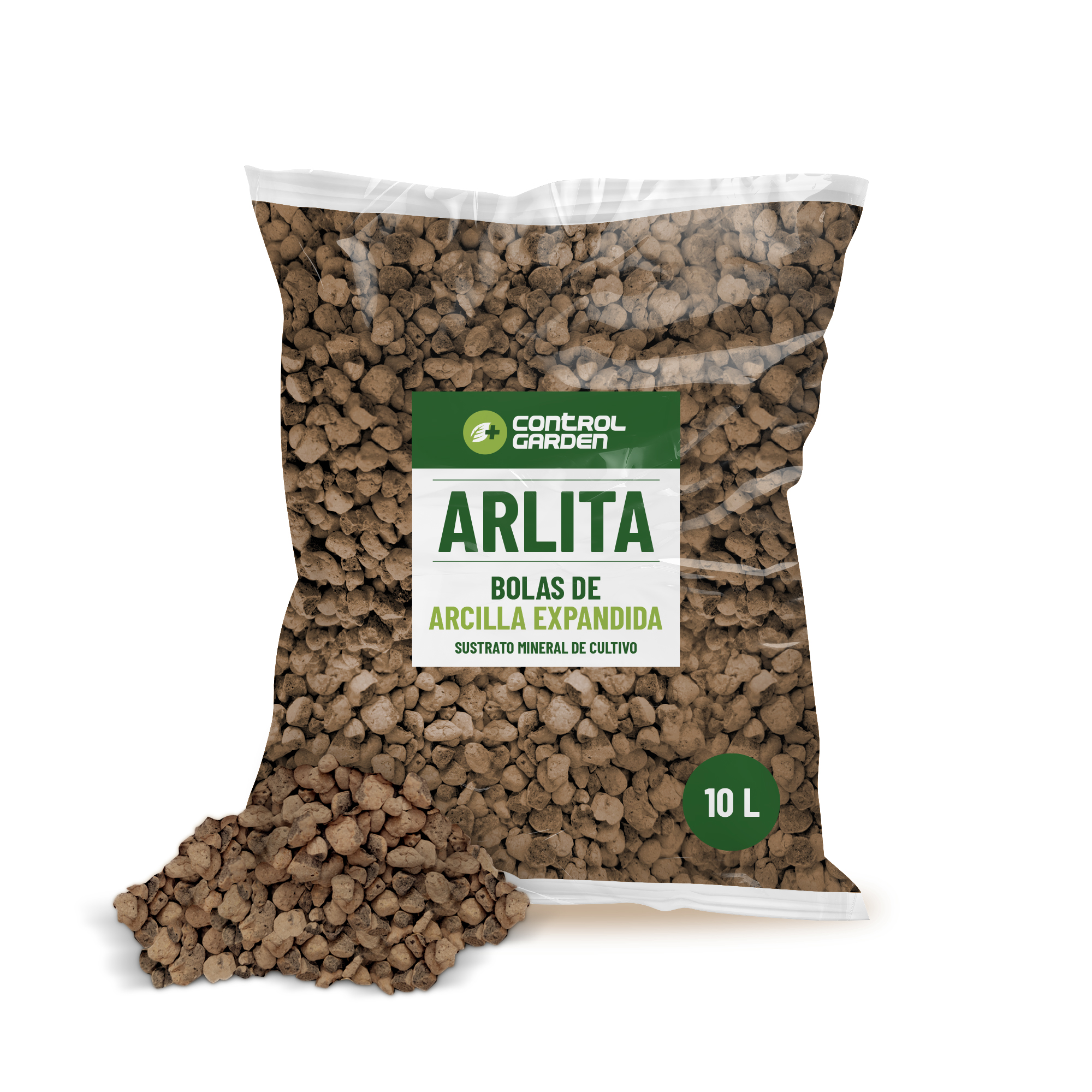
Clay Pebbles
Expanded clay balls. They go at the bottom of the pot or in hydroponic cultivation. They circulate air and do not rot.
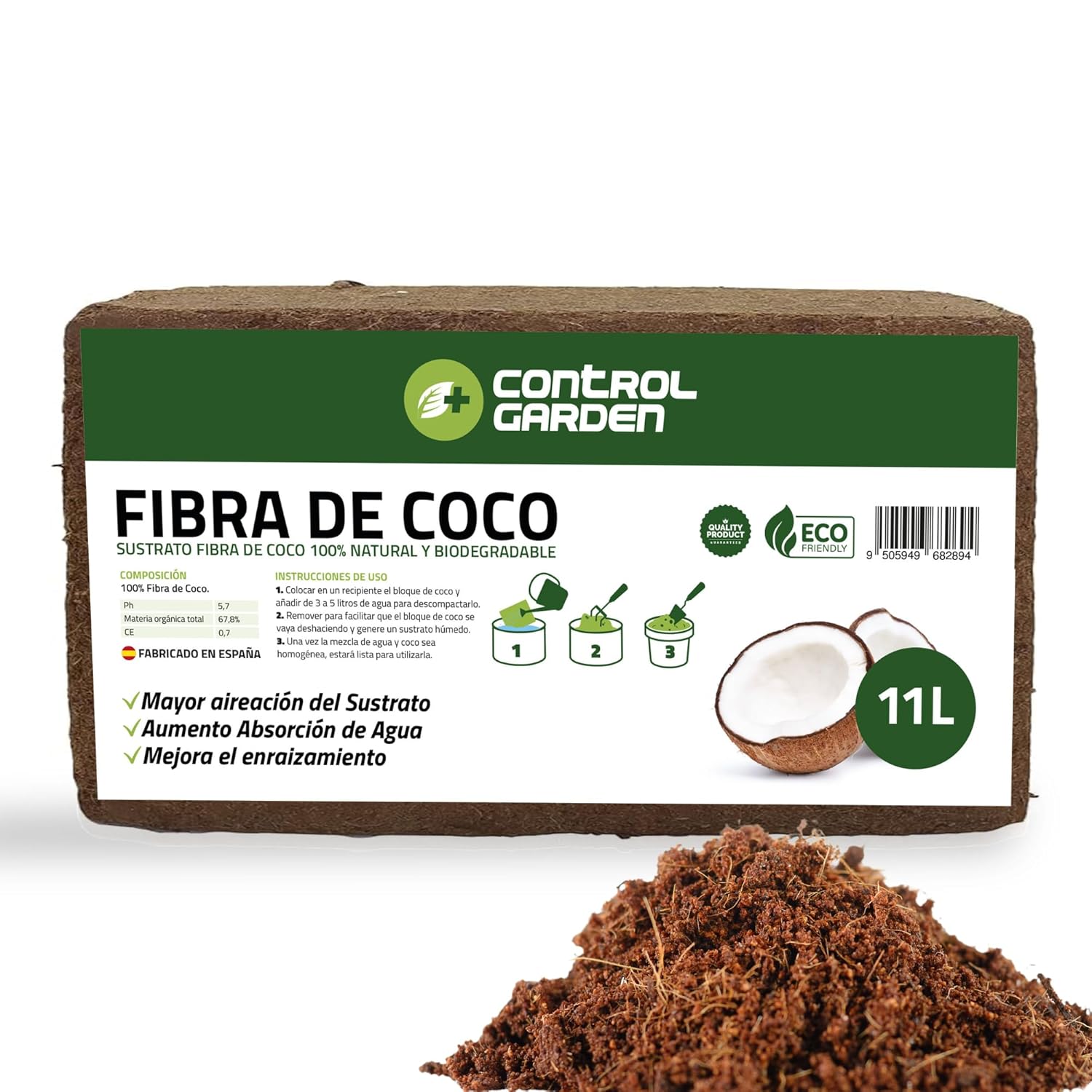
Coconut Fiber
Renewable base that retains water without saturating like heavy peat. Fits well in urban gardens and container tomatoes (tomato cultivation).
If you don't want to guess, use mixed packs of clay pebbles + perlite or all three. The support and irrigation matter too: a perfect substrate with the plant lying down will still get sick.
Recommended products
View catalogue -15%
-15%
Arlita Substrate 10L + Perlite 10L · Pack of 2 Units
Volume discount from 2 units
 -15%
-15%
Coconut Fiber Substrate 11L · 650g 100% Natural · Pack 1 Unit
Volume discount from 2 units
 -15%
-15%
Expanded Clay Balls Arlita 10L · Pack 1 unit
Volume discount from 2 units